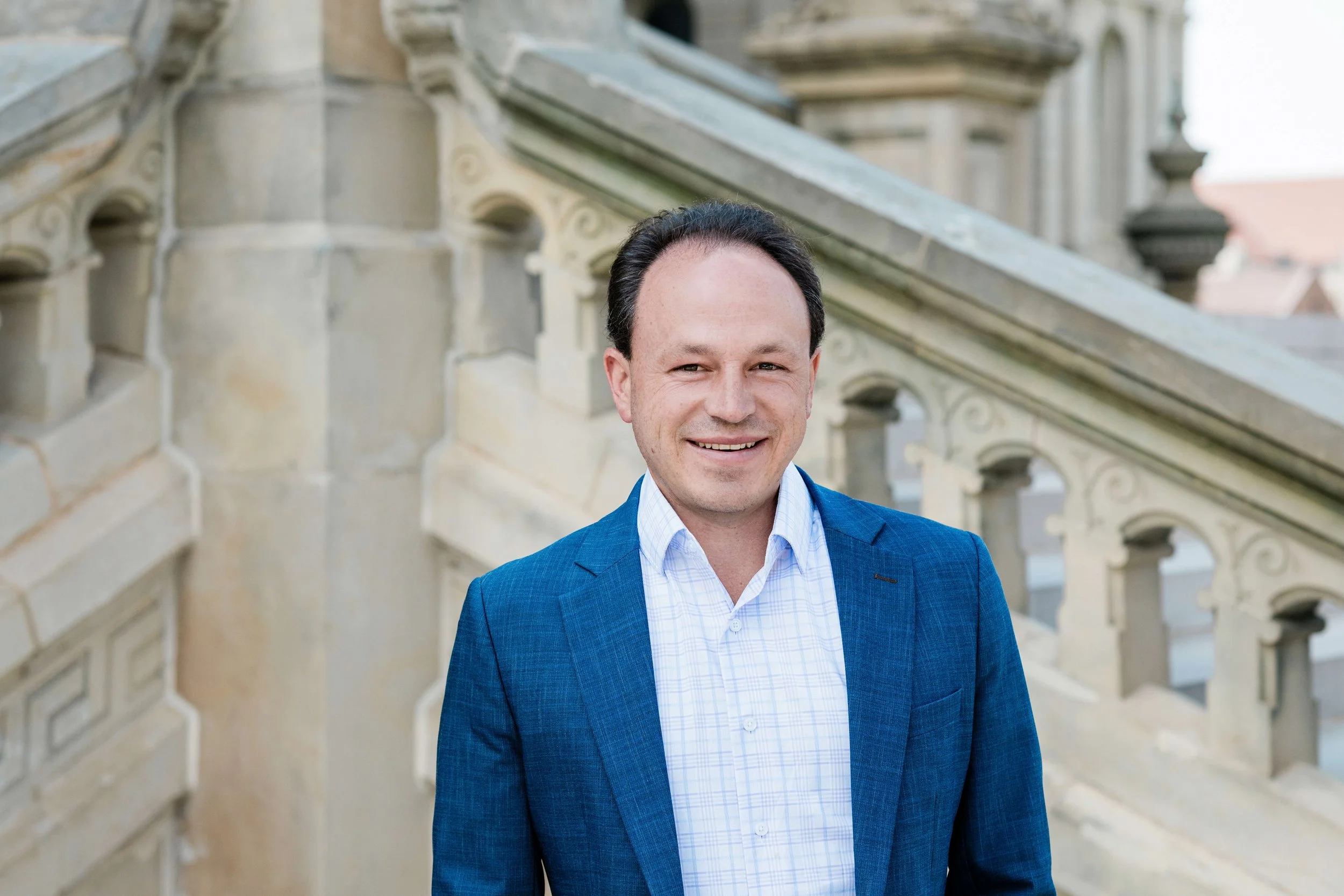
Matt Grossmann
Political Scientist | Institute Director
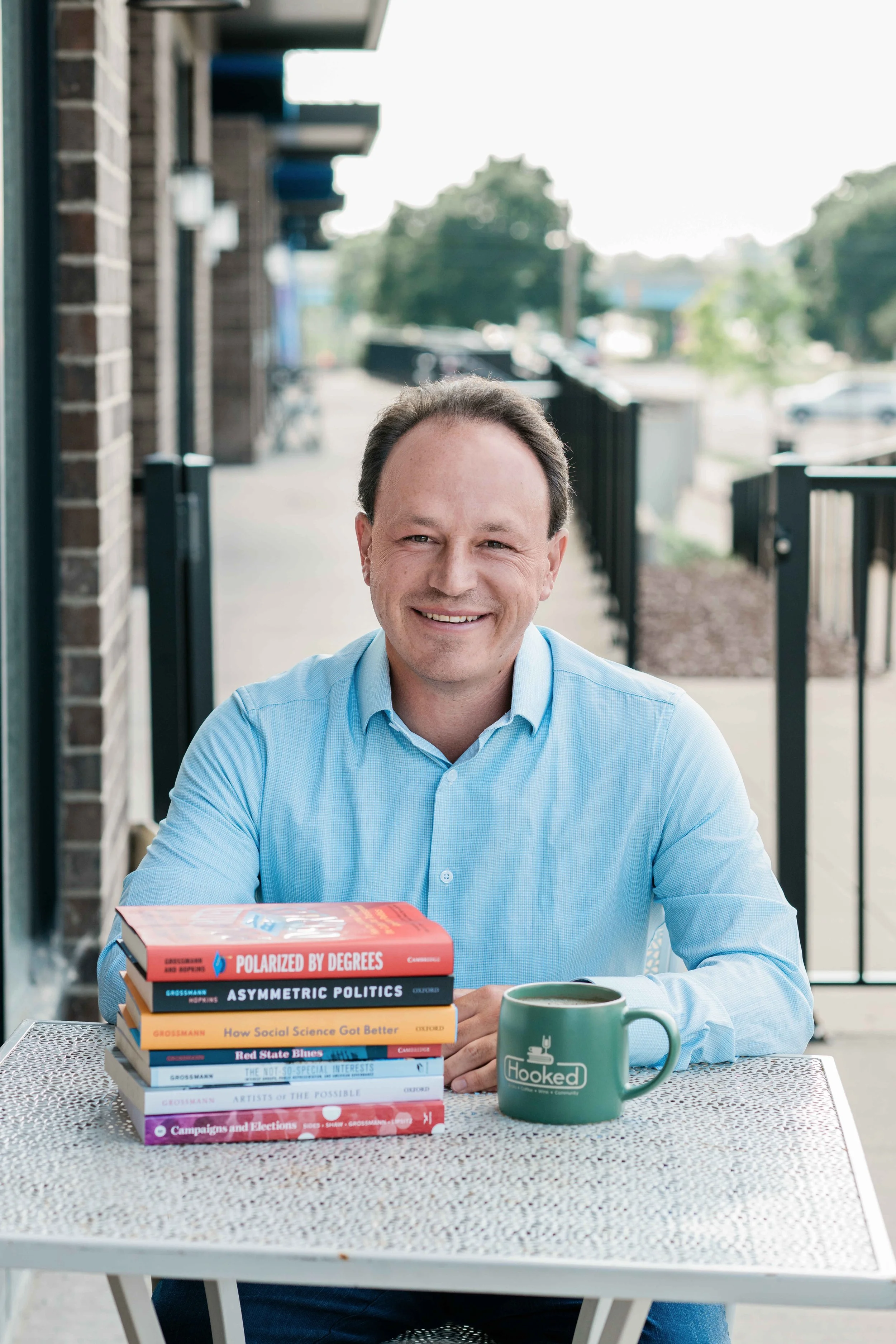
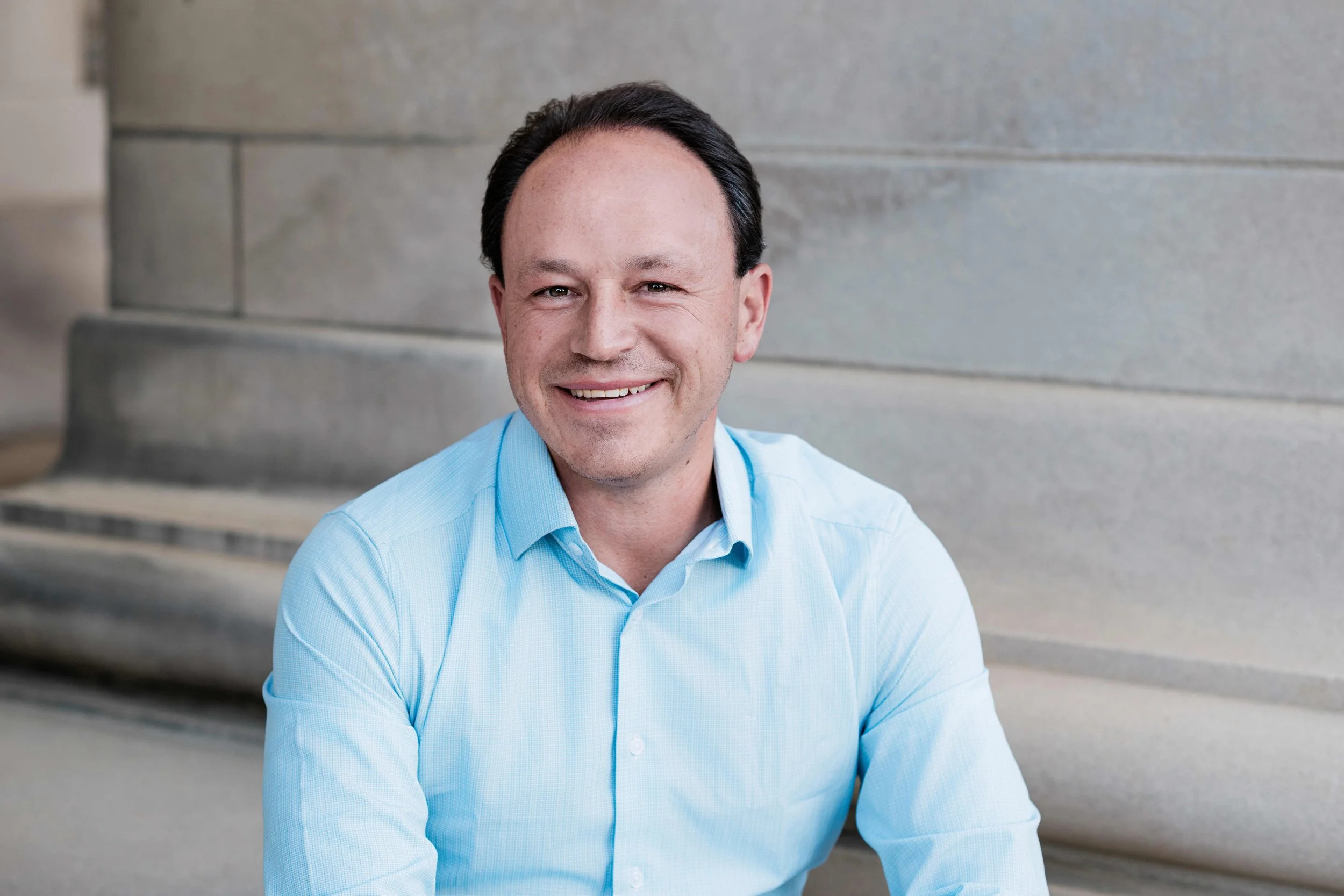
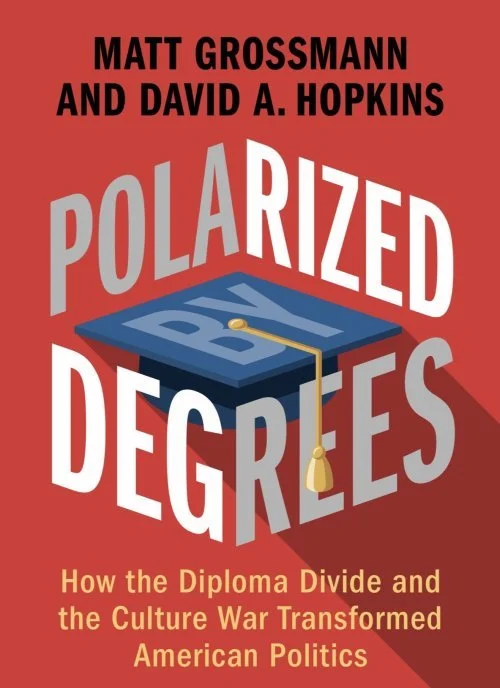
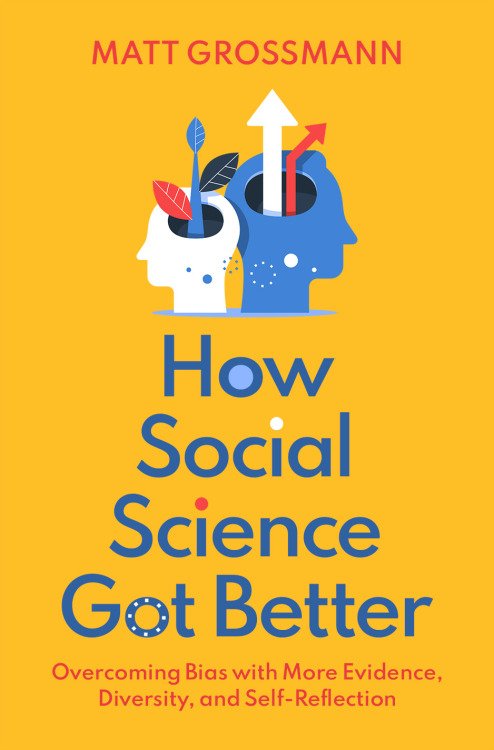
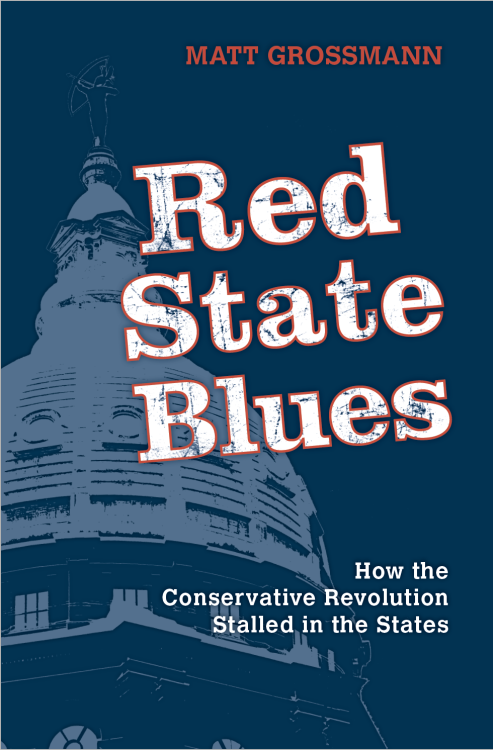
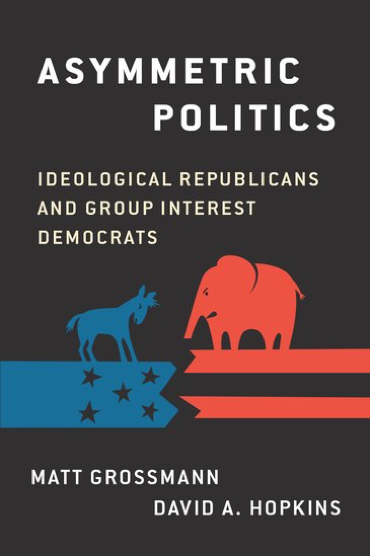
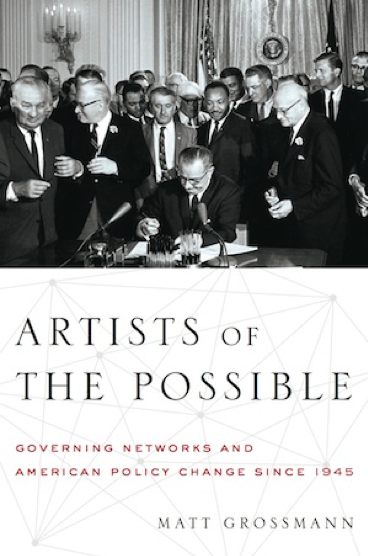
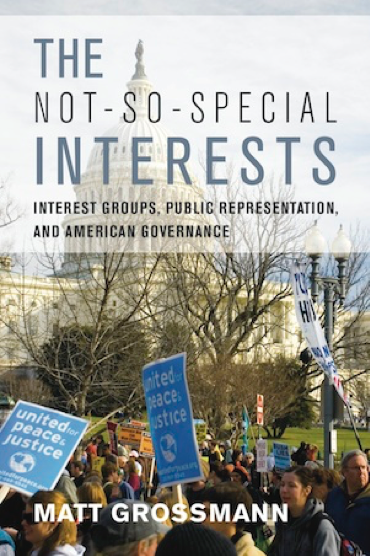
I am Director of the Institute for Public Policy and Social Research and Professor of Political Science at Michigan State University. I also serve as a Senior Fellow at the Niskanen Center and host of the Science of Politics podcast. I am the author of The Not-So-Special Interests, Artists of the Possible, Asymmetric Politics (with David Hopkins), Red State Blues, How Social Science Got Better, and Polarized by Degrees (also with David). I am co-owner of Hooked (bookstore/cafe).
Updates
I have been awarded an Andrew Carnegie fellowship for my sabbatical year, 2025-26. I will also be a visiting scholar at the University of Chicago and working on my new book, Policymaking for Realists: Muddling Through our Polarized Age
Book Proposal (now under contract with Chicago)
Latest book
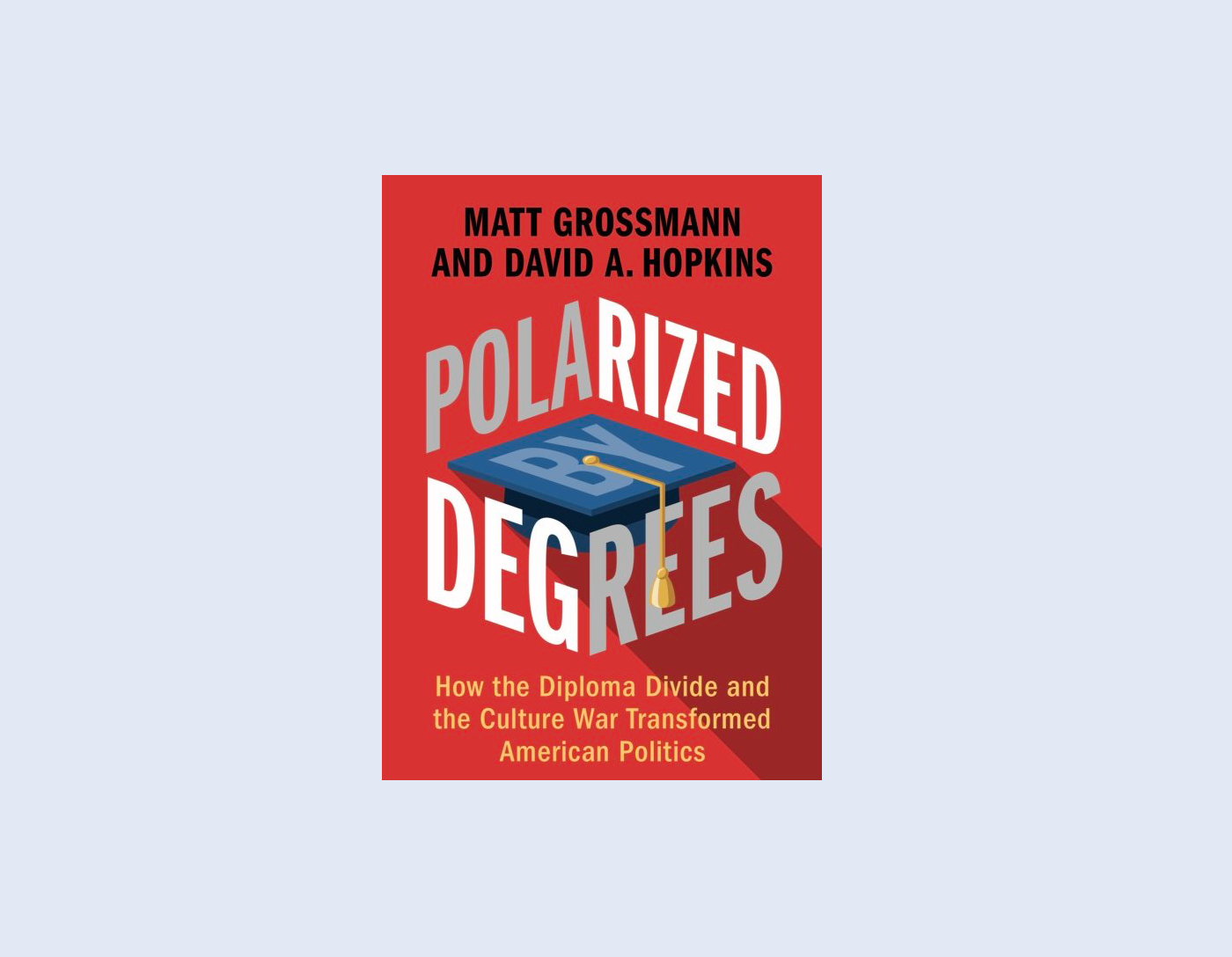
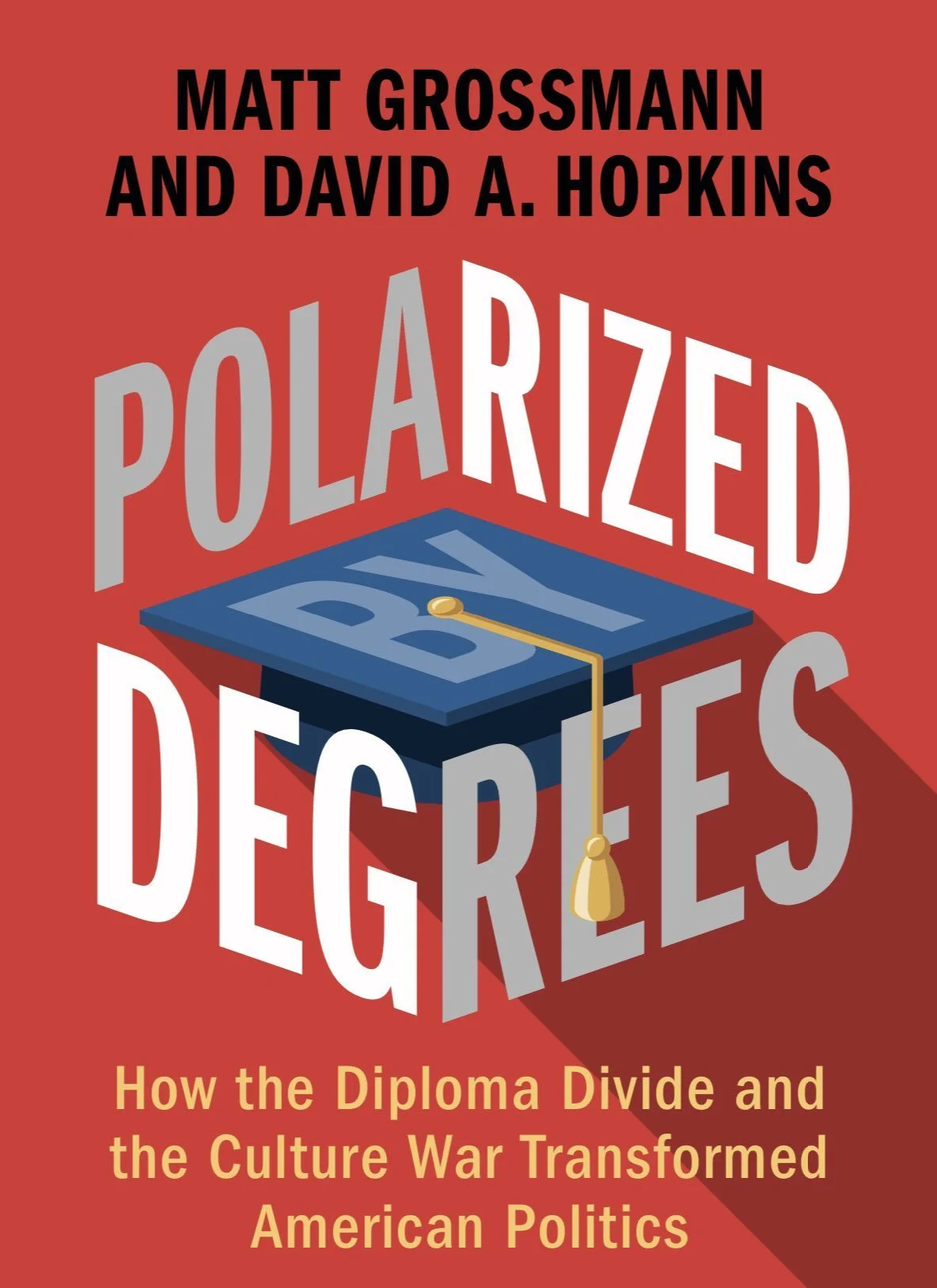
Polarized by Degrees: How the Diploma Divide and the Culture War Transformed American Politics
Cambridge University Press, 2024
Podcast - Latest Episodes
Housing advocates have won state policy changes and a new federal law. But can they overcome publics that still blame landlords and developers for rising prices. Christopher Elmendorf finds that housing opinions aren’t just a problem of people wanting fewer renters in their backyard. Instead, the public fundamentally misunderstands supply and demand: they don’t believe that more supply would lower prices and instead favor crackdowns on the suppliers.
Candidates affiliated with (or sympathetic to) the Democratic Socialists of America (the DSA) have recently won several Democratic primaries. Although this rise of the left takes a different form, it draws from prior social movements and Bernie Sanders’ presidential candidacies. David Purucker has been both a close observer and a participant. He studied how the DSA makes decisions and organizes. Its electoral role draws from its relationship with the labor movement and other liberal causes. He says this year will raise a lot of questions about how the group responds to electoral success and failure.
Candidates celebrate when their campaigns are funded by small contributions. Small donors are playing far greater roles in American politics but they are not having the positive envisioned effects. Ray La Raja and Zach Albert find that small donors are just as advantaged, partisan, and extreme as larger donors, but more impulsive, empowering show horse celebrities and norm breakers over consensus-building lawmakers. They want to redirect reformers’ energy toward strengthening political parties and emphasizing local representation.
We fear that legislatures are gridlocked and performative, rather than focused on actually passing new laws. But some legislators are consistently more effective than others, at the state and national levels. Can we train legislators to be more effective at advancing their bills? Mackenzie Dobson finds that training programs for state legislators don’t make them more effective than their untrained colleagues. Most of the factors that make legislators more effective are structural: the competition between the parties and the positions they hold. Some of the common advice, find bipartisan partners and become an issue area expert, may not work everywhere.
Elite polarization may be helping young people sort out their politics but it could also make them misperceive how the other side lives. Delia Baldassarri finds that millennial and gen Z are now aligning their issue positions with partisanship as much as older generations. They are choosing their party more based on cultural and moral issues and, up to now, that’s been helping Democrats. But partisans assume that the other side has more stereotypical social groups and extreme views than they do. So polarization has confused us about how divided we are.
The Supreme Court’s voting rights decision is upending the midterm election and raising concerns about its role in democratic backsliding. Thomas Keck finds that the Court has rarely helped maintain democratic guardrails in threatening periods. But the Roberts Court had been showing a mixed record until recently. Albert Rivero finds that election law cases at the Supreme Court lead to more party-line voting, but the cases have stood out less as the Court has become more partisan across the board.
Economic inequality is high and rising, without much political response. Most stay that’s because our political institutions overrepresent the views of the rich. But Andrew Taylor finds that poor Americans don’t prioritize solving inequality or redistributive policy. They want their representatives to focus more on distributive politics and constituency service and that’s what they do. It’s a corrective to a lot of common social science assumptions.
Trust in American elections has declined since President Trump failed to concede the 2020 election. But voters do have real concerns about electoral institutions born of not knowing the process well. Jennifer Gaudette finds that election officials can increase trust in elections by informing citizens of basic facts, such as that election machines are not connected to the Internet. There are partisan patterns of mistrust but that doesn’t mean people can’t learn to trust election procedures, even in jurisdictions that typically vote for the other side.
Rural America has moved toward strong Republican voting even though Republican governance helps explain worse health outcomes in rural areas, from hospital closures to opioid policies. Michael Shepherd finds that rural areas disproportionately suffer from Republican policies but Republicans successfully blame Democrats for worse health outcomes, especially when Democratic policies can be framed as helping immigrants or racial minorities. There’s no obvious way out for Democrats, who own health policy and its outcomes.
Polarized politics is not leaving much room for agreement on economic regulation, even as inequality and business power grow. But Pepper Culpepper and Taeku Lee find that corporate scandals can often mobilize the public and wider interests to overcome big business power, including after the financial crisis. They argue that this kind of populism can be a useful form of backlash to break through in our calcified political system.