The Science of Politics
Podcast
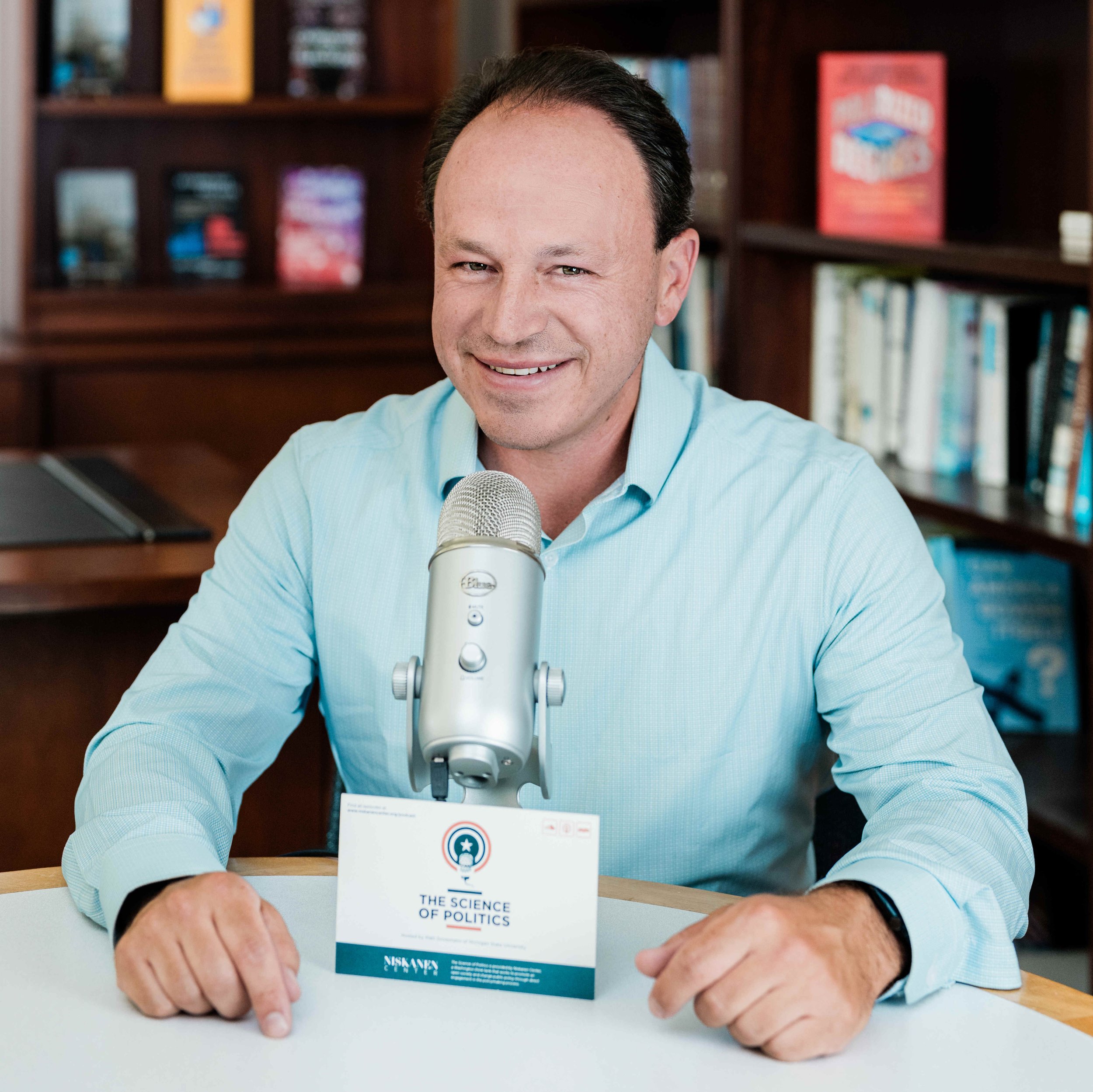
I’m the host of The Science of Politics podcast, produced by the Niskanen Center. In addition to hosting the podcast, I’m a Senior Fellow at the Niskanen Center, where I contributes to work on partisan polarization and national policymaking.
On the podcast, I interview up-and-coming researchers to provide data-driven insights into the major trends in American politics, helping listeners get beyond punditry to understand what we truly know about topics like media influence, voting behavior, and political polarization.
Episodes

Can housing policy overcome lousy folk economic thinking?
Housing advocates have won state policy changes and a new federal law. But can they overcome publics that still blame landlords and developers for rising prices. Christopher Elmendorf finds that housing opinions aren’t just a problem of people wanting fewer renters in their backyard. Instead, the public fundamentally misunderstands supply and demand: they don’t believe that more supply would lower prices and instead favor crackdowns on the suppliers.
Inside the Democratic Socialist uprising
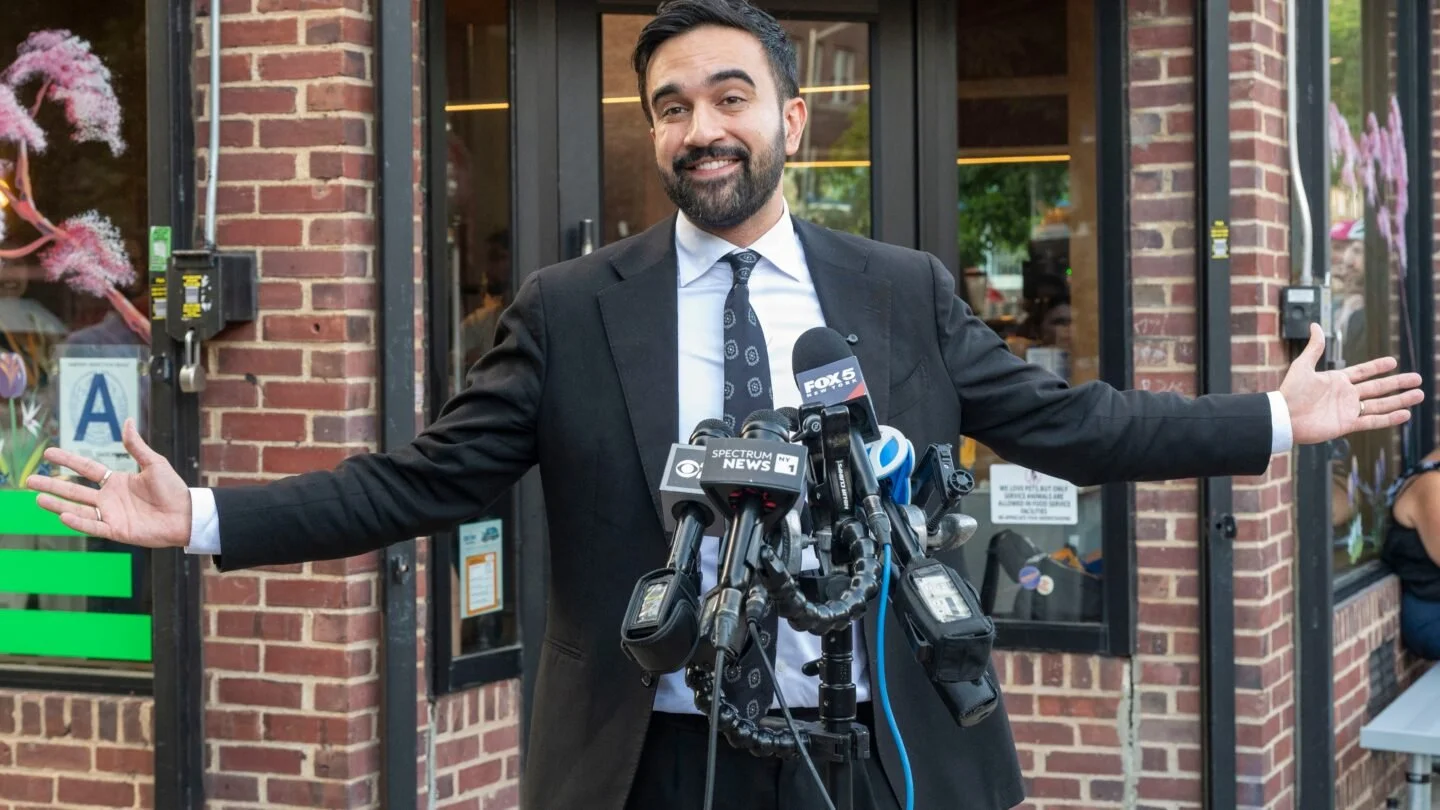
Candidates affiliated with (or sympathetic to) the Democratic Socialists of America (the DSA) have recently won several Democratic primaries. Although this rise of the left takes a different form, it draws from prior social movements and Bernie Sanders’ presidential candidacies. David Purucker has been both a close observer and a participant. He studied how the DSA makes decisions and organizes. Its electoral role draws from its relationship with the labor movement and other liberal causes. He says this year will raise a lot of questions about how the group responds to electoral success and failure.
The rise of small donors is mostly making politics worse
Candidates celebrate when their campaigns are funded by small contributions. Small donors are playing far greater roles in American politics but they are not having the positive envisioned effects. Ray La Raja and Zach Albert find that small donors are just as advantaged, partisan, and extreme as larger donors, but more impulsive, empowering show horse celebrities and norm breakers over consensus-building lawmakers. They want to redirect reformers’ energy toward strengthening political parties and emphasizing local representation.

Can we make legislators more effective?
We fear that legislatures are gridlocked and performative, rather than focused on actually passing new laws. But some legislators are consistently more effective than others, at the state and national levels. Can we train legislators to be more effective at advancing their bills? Mackenzie Dobson finds that training programs for state legislators don’t make them more effective than their untrained colleagues. Most of the factors that make legislators more effective are structural: the competition between the parties and the positions they hold. Some of the common advice, find bipartisan partners and become an issue area expert, may not work everywhere.
Will young Americans become long-term democrats?
Elite polarization may be helping young people sort out their politics but it could also make them misperceive how the other side lives. Delia Baldassarri finds that millennial and gen Z are now aligning their issue positions with partisanship as much as older generations. They are choosing their party more based on cultural and moral issues and, up to now, that’s been helping Democrats. But partisans assume that the other side has more stereotypical social groups and extreme views than they do. So polarization has confused us about how divided we are.
Are the Courts contributing to democratic backsliding?
The Supreme Court’s voting rights decision is upending the midterm election and raising concerns about its role in democratic backsliding. Thomas Keck finds that the Court has rarely helped maintain democratic guardrails in threatening periods. But the Roberts Court had been showing a mixed record until recently. Albert Rivero finds that election law cases at the Supreme Court lead to more party-line voting, but the cases have stood out less as the Court has become more partisan across the board.
Political inequality isn’t responsible for economic inequality
Economic inequality is high and rising, without much political response. Most stay that’s because our political institutions overrepresent the views of the rich. But Andrew Taylor finds that poor Americans don’t prioritize solving inequality or redistributive policy. They want their representatives to focus more on distributive politics and constituency service and that’s what they do. It’s a corrective to a lot of common social science assumptions.
Can we improve trust in elections if the losers don’t concede?
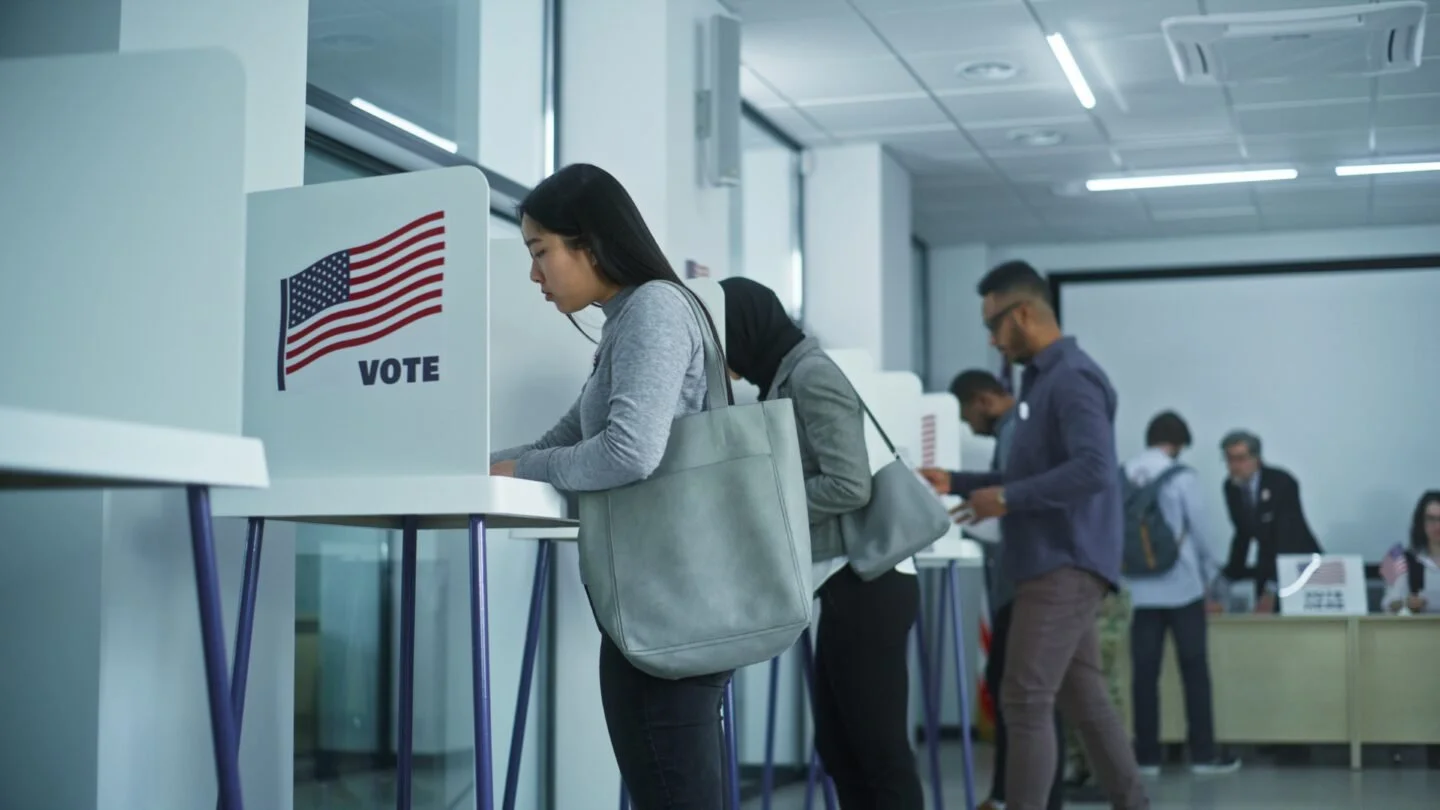
Trust in American elections has declined since President Trump failed to concede the 2020 election. But voters do have real concerns about electoral institutions born of not knowing the process well. Jennifer Gaudette finds that election officials can increase trust in elections by informing citizens of basic facts, such as that election machines are not connected to the Internet. There are partisan patterns of mistrust but that doesn’t mean people can’t learn to trust election procedures, even in jurisdictions that typically vote for the other side.

Why rural areas vote Republican despite worse health outcomes
Rural America has moved toward strong Republican voting even though Republican governance helps explain worse health outcomes in rural areas, from hospital closures to opioid policies. Michael Shepherd finds that rural areas disproportionately suffer from Republican policies but Republicans successfully blame Democrats for worse health outcomes, especially when Democratic policies can be framed as helping immigrants or racial minorities. There’s no obvious way out for Democrats, who own health policy and its outcomes.

Can corporate scandals reinvigorate democracy?
Polarized politics is not leaving much room for agreement on economic regulation, even as inequality and business power grow. But Pepper Culpepper and Taeku Lee find that corporate scandals can often mobilize the public and wider interests to overcome big business power, including after the financial crisis. They argue that this kind of populism can be a useful form of backlash to break through in our calcified political system.

The intellectual support for Trumpism
Donald Trump has not been a favorite of university professors or public intellectuals, but he does have a base in some elements of political theory. What are their ideas and did they help bring us Trumpism? Laura Field tracks the intellectual parts of the movement and their relationship to mainstream political figures and activists. From the Claremont Institute to national conservatism, they were born of a deficit in defenses of liberal democracy. But there are many disagreements and odd theoretical turns. It took some opportunistic moments to unite the disparate strands. But these theorists have had a real impact in Republican politics and may shape the future of American government.
What predicts midterm election results?
The 2026 election will decide who controls the House and Senate for the duration of Trump’s presidency. Trump’s approval is low and public opinion is moving against his policy ideas. The historical pattern suggests Democrats are on the way to big congressional gains. Carlos Algara studies 80 years of high-frequency data on generic ballot polls and election results. Presidential approval and the ideological direction of public opinion consistently predict congressional vote choices. Like this year, both usually move against the president in midterms. Neither economic statistics and perceptions nor the degree of partisan competition matters independently of those patterns. Generic ballot polls reliably predict seat gains, though a lot more for the House than the Senate.
Legislators are raising money instead of making policy
Legislators spend considerable time dialing for dollars to support their party, even if they themselves are not in electoral danger. That helps them move up the party leadership ladder, but does not help them achieve their policy goals. Michael Kistner finds that when legislators spend a lot of time raising money, they spend less making policy. By rewarding fundraising, parties miss out on both diverse leaders and effective legislators. But states that reform their campaign finance system are able to make more landmark policies.

Can AI 'vibe research' replace social science?
AI tool improvement is compounding fast enough for researchers to start using tools like Claude Code for real social science tasks. What are the early lessons from using AI to conduct research? Will it just mean more slop papers and slop reviewers? Or will it lower barriers to exploration, replication, and robustness, with findings accumulating and spreading faster? Andy Hall designed and executed an extension of his research paper with AI in an hour. He’s now compared his results to an extension by hand and created a tool to allow readers to make their own design choices. We discuss the early evidence on how AI has changed research output and quality. The future of research is coming fast.

How authoritarian parenting attitudes explain our political divides
Some Americans prefer obedient, respectful, and well-mannered children and others prefer independent, curious, and self-reliant kids. And that divide is a surprisingly broad window into contemporary political views and partisan choices. How did we become increasingly divided by our preferences for order over independence? Christopher Federico and Christopher Weber find that authoritarian values, measured by these parenting preferences, increasingly structure Americans’ attitudes toward social and cultural issues and their political predispositions. Now that the parties divide on cultural concerns, especially in the Trump era, these attitudes increasingly drive White Americans’ partisanship and vote choices.