Matt Grossmann
Political Scientist | Institute Director
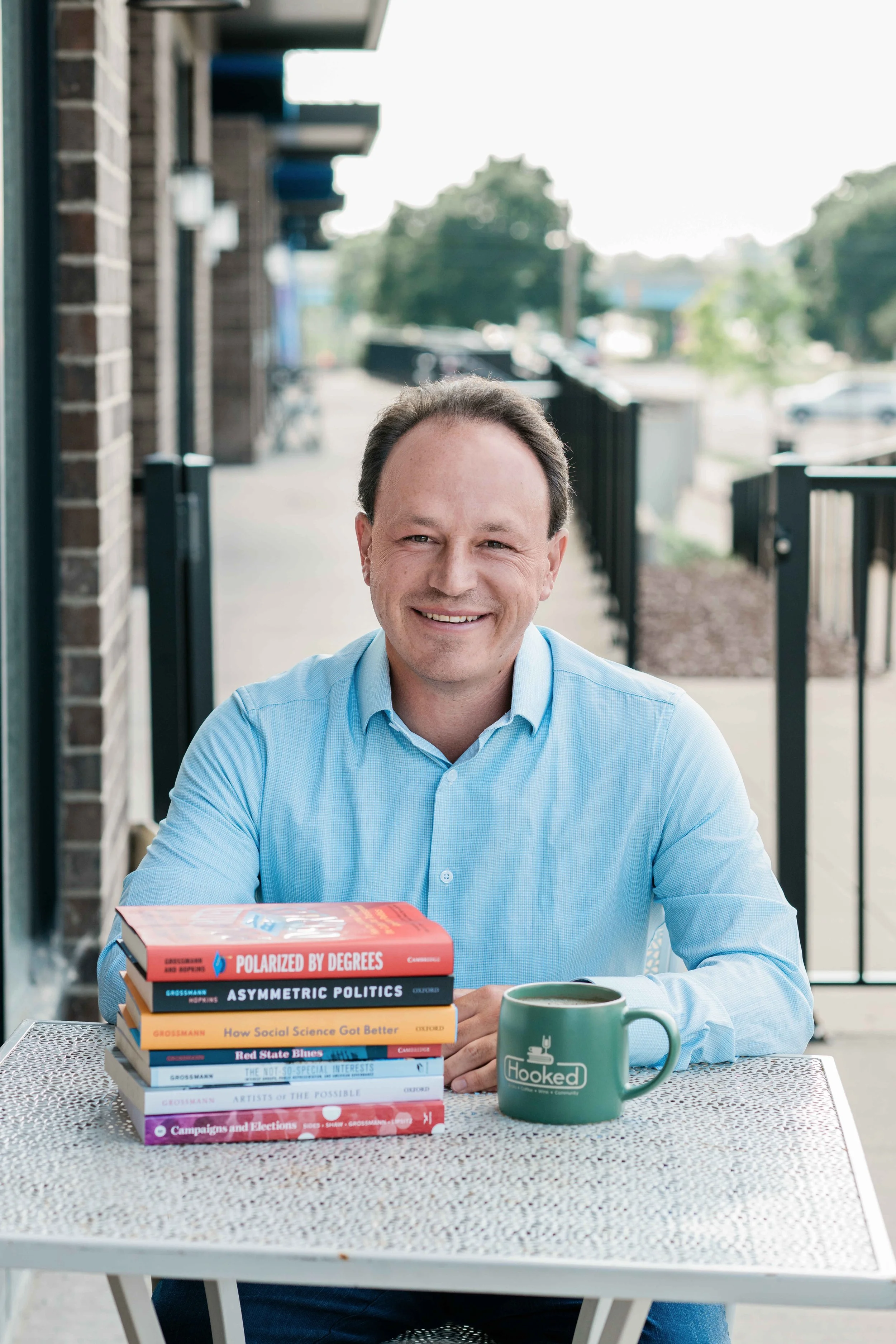
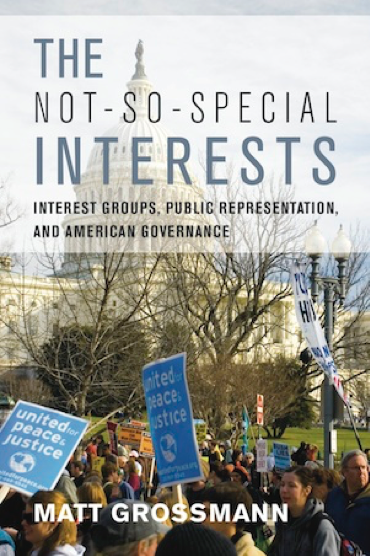
I am Director of the Institute for Public Policy and Social Research and Professor of Political Science at Michigan State University. I also serve as a Senior Fellow at the Niskanen Center and host of the Science of Politics podcast. I am the author of The Not-So-Special Interests, Artists of the Possible, Asymmetric Politics (with David Hopkins), Red State Blues, How Social Science Got Better, and Polarized by Degrees (also with David). I am co-owner of Hooked (bookstore/cafe).
Updates
I have been awarded an Andrew Carnegie fellowship for my sabbatical year, 2025-26. I will also be a visiting scholar at the University of Chicago and working on my new book, Policymaking for Realists: Muddling Through our Polarized Age
Book Proposal (now under contract with Chicago)
Latest book
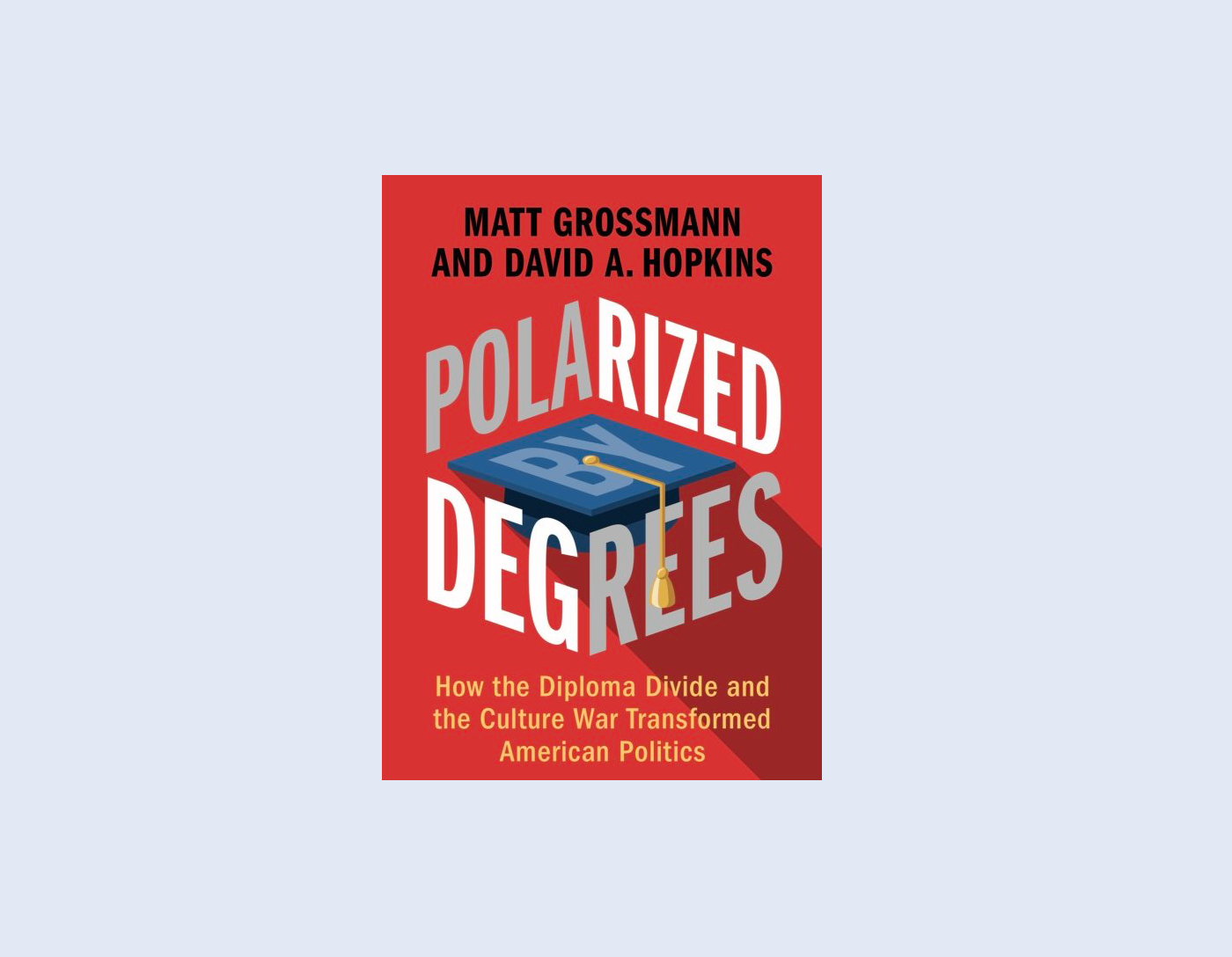
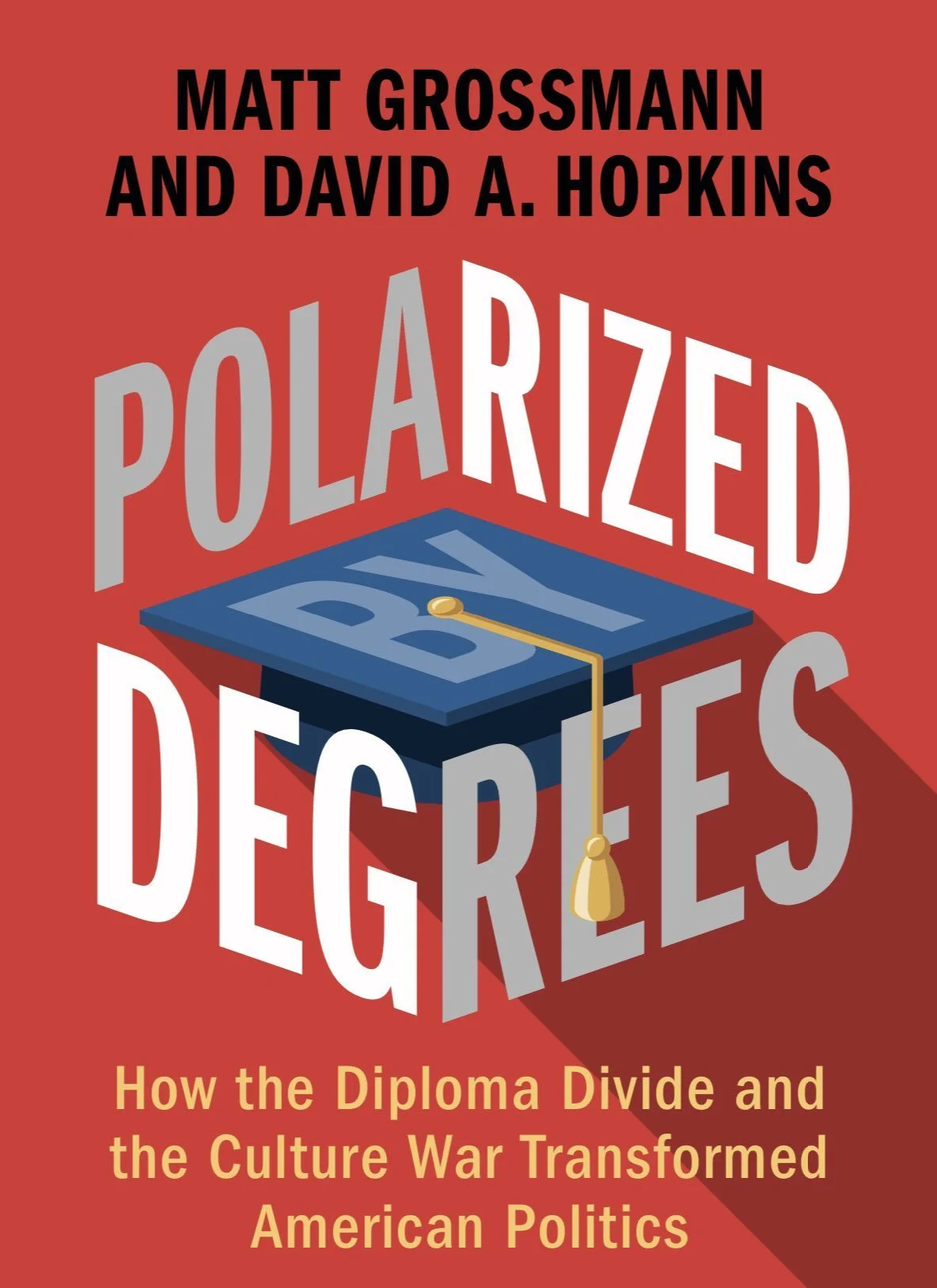
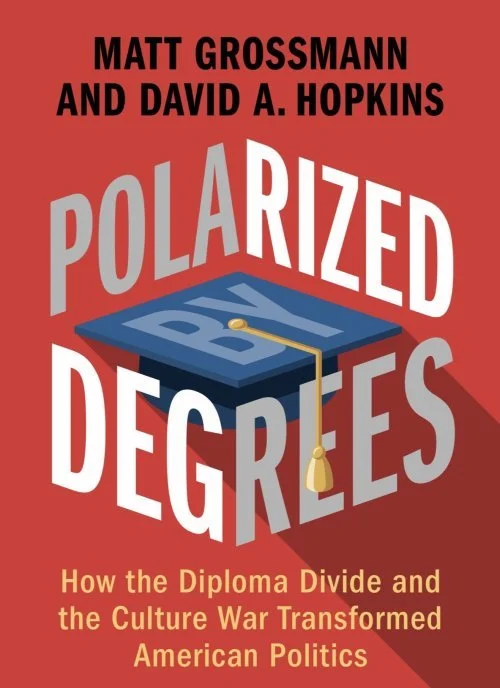
Polarized by Degrees: How the Diploma Divide and the Culture War Transformed American Politics
Cambridge University Press, 2024
Podcast - Latest Episodes
Legislators spend considerable time dialing for dollars to support their party, even if they themselves are not in electoral danger. That helps them move up the party leadership ladder, but does not help them achieve their policy goals. Michael Kistner finds that when legislators spend a lot of time raising money, they spend less making policy. By rewarding fundraising, parties miss out on both diverse leaders and effective legislators. But states that reform their campaign finance system are able to make more landmark policies.
AI tool improvement is compounding fast enough for researchers to start using tools like Claude Code for real social science tasks. What are the early lessons from using AI to conduct research? Will it just mean more slop papers and slop reviewers? Or will it lower barriers to exploration, replication, and robustness, with findings accumulating and spreading faster? Andy Hall designed and executed an extension of his research paper with AI in an hour. He’s now compared his results to an extension by hand and created a tool to allow readers to make their own design choices. We discuss the early evidence on how AI has changed research output and quality. The future of research is coming fast.
Some Americans prefer obedient, respectful, and well-mannered children and others prefer independent, curious, and self-reliant kids. And that divide is a surprisingly broad window into contemporary political views and partisan choices. How did we become increasingly divided by our preferences for order over independence? Christopher Federico and Christopher Weber find that authoritarian values, measured by these parenting preferences, increasingly structure Americans’ attitudes toward social and cultural issues and their political predispositions. Now that the parties divide on cultural concerns, especially in the Trump era, these attitudes increasingly drive White Americans’ partisanship and vote choices.